
In the rapidly expanding real estate markets of urban centers, the “builder floor” has emerged as a highly coveted housing option. Offering a middle ground between the density of high-rise apartments and the exorbitant cost of independent villas, builder floors provide residents with a sense of privacy, more space per floor, and a premium lifestyle. However, because these projects are often developed by private contractors rather than massive corporate developers, the quality of construction and legal compliance can vary significantly.
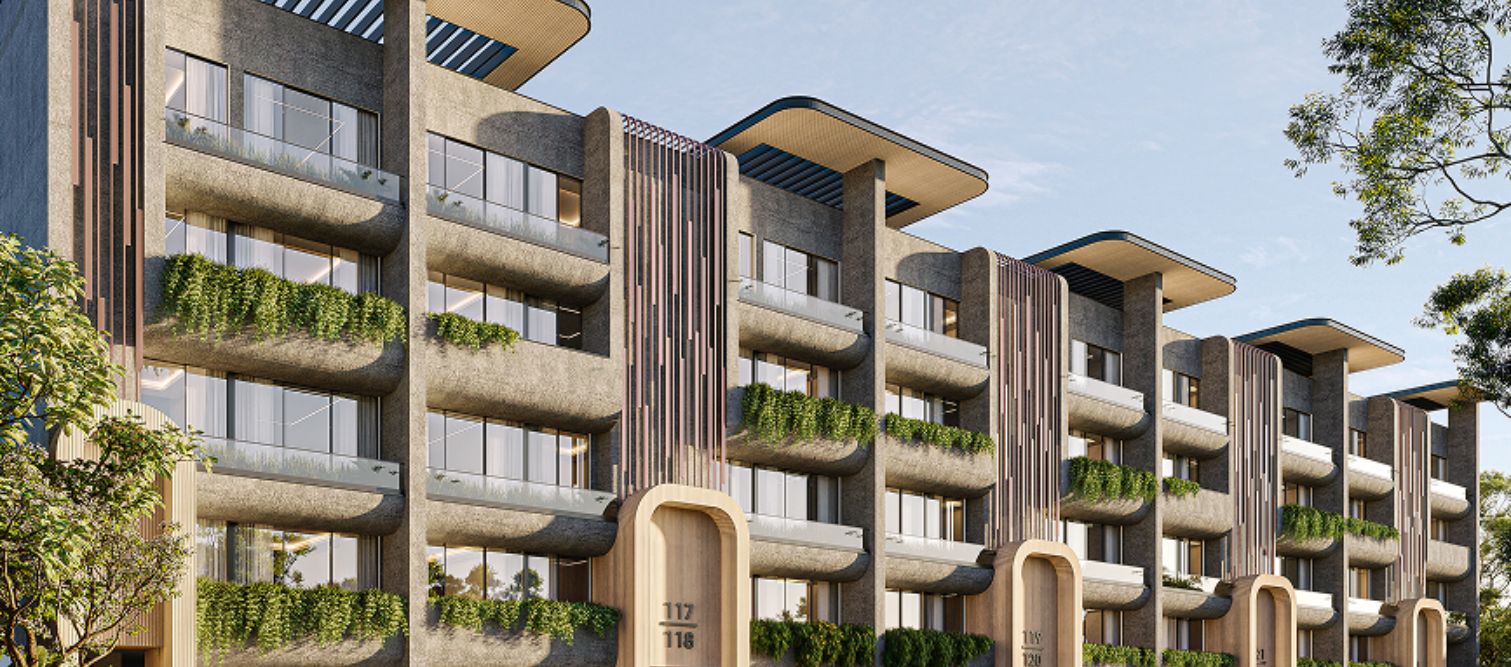
For a homebuyer, distinguishing a well-constructed builder floor from a substandard one is critical. Investing in a property with structural defects or legal ambiguities can lead to financial loss and emotional distress. This guide outlines the essential checkpoints to ensure you are choosing a good builder floor that offers both safety and long-term value.
Verifying Legal Compliance and Ownership
The foundation of a good real estate investment is not bricks and mortar, but clear paperwork. Before inspecting the physical structure, you must ensure the project stands on a solid legal ground.
The most important document to verify is the Title Deed. You must confirm that the builder has the legal right to develop the land and that there are no existing encumbrances or litigations against the property. In regions where it is applicable, ensure the project is registered with the relevant Real Estate Regulatory Authority (RERA). RERA registration provides a layer of protection, ensuring the builder adheres to the promised timelines and specifications.
Furthermore, check the Approved Building Plan. Builders occasionally deviate from the sanctioned maps provided by the local municipal authorities to add extra rooms or balconies. Such deviations can lead to the property being declared unauthorized later, making it impossible to secure a home loan or a completion certificate.
Structural Integrity and Construction Quality
Once the paperwork is in order, the focus must shift to the physical attributes of the building. Unlike high-rise societies that undergo rigorous third-party audits, builder floors require a more hands-on inspection by the buyer.
Soil and Foundation
While you cannot see the foundation of a finished building, you can ask for the soil test report conducted prior to construction. A good builder will always analyze the soil to determine the type of foundation required to prevent future sinking or cracking. Observe the surrounding area; if neighboring buildings show signs of significant tilting or deep wall cracks, it may indicate poor soil conditions in the locality.
Wall and Concrete Quality
Inspect the walls for “hollowness” by tapping on them. A solid, dull sound indicates high-quality brickwork or concrete, while a hollow sound may suggest the use of inferior materials or poor plastering. Additionally, look for the thickness of the walls. Thicker external walls provide better thermal insulation and soundproofing, which are hallmarks of a premium builder floor.
The Hidden Systems: Plumbing and Electricals
A building can look beautiful on the outside but be a nightmare to live in if the internal systems are faulty. Problems with plumbing and wiring are the most common complaints in low-quality builder floors.
Check the brand of pipes and wires used. Reputable builders will use ISI-marked or internationally certified brands that are fire-retardant and corrosion-resistant. In the bathrooms and kitchen, check for the slope of the floor to ensure water drains correctly. Stagnant water is a sign of poor workmanship and can lead to seepage issues in the floors below.
Ask the builder for a “Conduit Map.” A professional builder should be able to show you where the electrical lines and plumbing stacks are located within the walls. This is vital for future maintenance or if you decide to drill into the walls for interior decor.
Assessing Finishing and Aesthetics
The “finishing” of a flat is the most visible indicator of a builder’s attention to detail. If a builder has cut corners on the visible aspects, they have likely cut corners on the hidden structural elements as well.
- Flooring: Check for the alignment of tiles or marble slabs. There should be no uneven edges (lippage), and the grouting lines should be thin and consistent.
- Joinery: Open and close every door and window. They should move smoothly without creaking. Check the quality of the frames; gap-free joints in wooden or uPVC frames indicate precision.
- Paint and Plaster: Look at the walls under a light source at an angle. If you see undulations or “waves” on the surface, the plastering was not done professionally.
Common Area Maintenance and Amenities
In a builder floor, you usually share the building with three or four other families. Therefore, the quality of the common areas is just as important as the flat itself.
The lift is a major component. Ensure the lift is from a reputable manufacturer and check if there is a dedicated Annual Maintenance Contract (AMC) in place. Additionally, inspect the terrace and the stilt parking area. A good builder will ensure the terrace is properly waterproofed and that the parking area has adequate drainage to prevent flooding during the monsoon season.
Security features such as CCTV cameras, intercom systems, and fire extinguishers should be pre-installed. Their presence indicates that the builder has prioritized the safety of the residents beyond just selling a piece of real estate.
Conclusion
Finding a good builder floor requires a blend of skepticism and due diligence. By systematically checking the legal documents, structural quality, and the finer details of the finishing, you can protect yourself from the pitfalls of poor construction. A high-quality builder floor is not just a place to stay; it is an asset that will appreciate over time and provide a safe, peaceful environment for your family. Never rush the inspection process—take the time to ask questions, hire a professional surveyor if necessary, and ensure that the builder’s promises are backed by physical evidence.