
In the pursuit of sustainable urban development and aesthetic excellence, modern architecture has increasingly turned toward a sophisticated solution: the double glass wall. Also known as a Double Skin Facade (DSF), this architectural system is more than just a stylistic choice. It represents a high-performance engineering feat that addresses the age-old conflict between a building’s desire for expansive, transparent views and the technical necessity for thermal insulation and energy efficiency.
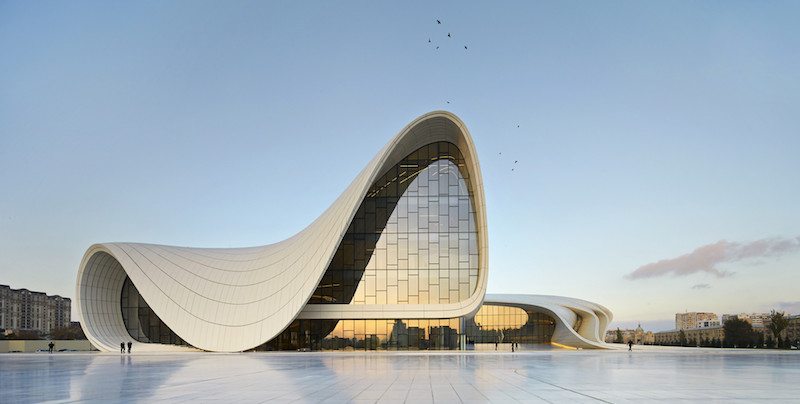
As cities become denser and the climate more unpredictable, the double glass wall has emerged as a premier choice for commercial skyscrapers, public institutions, and high-end residential projects. This article explores the mechanics, benefits, and challenges of this innovative building envelope.
Understanding the Anatomy of a Double Glass Wall
At its core, a double glass wall consists of two layers of glass—or “skins”—separated by an intermediate air cavity. The width of this cavity can vary significantly, ranging from a few centimeters to several meters, depending on the intended climate and the building’s height.
The exterior layer is typically a toughened or laminated safety glass that acts as a shield against wind, rain, and debris. The interior layer is often composed of double-paned insulating glass units (IGU) that provide the primary thermal barrier for the occupants. Between these two layers, specialized components such as automated blinds, louvers, or ventilation fans are often installed to manage light and heat.
The air cavity serves as a thermal buffer. During the winter, the air trapped between the panes acts as an additional layer of insulation, preventing heat from escaping the building. In the summer, the cavity can be ventilated—either naturally or mechanically—to carry away solar heat before it ever reaches the interior of the building.
The Primary Benefits of Double Glass Facades
The adoption of double glass walls is driven by several key advantages that traditional single-layer curtain walls cannot match.
Enhanced Energy Efficiency and Thermal Control
The most significant benefit is the reduction in energy consumption for heating and cooling. By managing solar gain through the ventilated cavity, buildings can maintain a stable internal temperature with less reliance on HVAC systems. In many cases, the double skin allows for “natural ventilation” even in high-rise buildings where opening a window would normally be impossible due to high wind pressures.
Superior Acoustic Insulation
For buildings located in noisy urban environments or near airports and busy highways, the double glass wall is an acoustic marvel. The two layers of glass, combined with the air space between them, create a formidable barrier against sound transmission. This leads to a significantly quieter indoor environment, which is essential for office productivity and residential comfort.
Optimization of Natural Light
Human-centric design emphasizes the importance of daylight for mental health and circadian rhythms. Double glass walls allow for massive floor-to-ceiling transparency, flooding the interior with natural light. Unlike tinted glass, which can make the interior feel dim, the double skin system allows for clear glass use because the heat gain is managed within the cavity rather than by the glass tint itself.
Ventilation Strategies: How the System Breathes
The efficiency of a double glass wall depends largely on how the air within the cavity is managed. Architects generally choose from three main ventilation strategies:
- Natural Ventilation: This relies on the “stack effect,” where warm air naturally rises and escapes through vents at the top of the facade, drawing cooler air in from the bottom. This is highly sustainable as it requires no electricity.
- Mechanical Ventilation: In climates with extreme temperatures, fans are used to force air through the cavity. This provides more precise control over the building’s thermal performance but increases energy usage.
- Hybrid Systems: These systems use sensors to toggle between natural and mechanical ventilation based on external weather conditions, ensuring the building “breathes” in the most efficient way possible at any given moment.
Design Challenges and Considerations
Despite the clear advantages, double glass walls are not a universal solution. They require careful planning and a higher initial investment.
- Cost and Complexity: The initial construction cost of a double skin facade is considerably higher than a standard curtain wall. It requires more material, complex structural engineering, and sophisticated control systems for the integrated blinds and vents.
- Space Consumption: Because the cavity takes up physical space, it can reduce the usable floor area of a building. Developers must weigh the energy savings against the loss of rentable square footage.
- Maintenance Requirements: Cleaning a double glass wall can be a logistical challenge. The interstitial space must be accessible for window washers and technicians who maintain the automated shading systems. Dust and condensation within the cavity can also become visible if the ventilation filters are not properly maintained.
The Future of the Transparent Building
As we look toward the future, the double glass wall is becoming “smarter.” New developments include the integration of semi-transparent solar cells within the glass layers, allowing the facade to generate its own electricity. Furthermore, advancements in “electrochromic” glass—which can change its tint with an electric current—are being used within double skin systems to provide even more granular control over light and heat.
This technology is a testament to the fact that architecture is moving away from static structures toward dynamic, responsive envelopes that act more like a living skin than a cold wall of stone or steel.
Conclusion
The double glass wall represents a harmonious marriage between form and function. It allows architects to realize the aesthetic dream of the “crystal palace” while meeting the rigorous energy standards of the 21st century. While the complexity and cost remain hurdles for some projects, the long-term benefits in energy savings, occupant comfort, and acoustic privacy make it an invaluable tool in the modern architect’s kit. As technology continues to evolve, these transparent skins will only become more efficient, helping our cities become both more beautiful and more sustainable.