
A roof is far more than just the top layer of a house; it is your home’s primary line of defense against the elements, a major contributor to energy efficiency, and a key factor in overall curb appeal. Over time, exposure to severe weather, UV radiation, and general wear and tear can compromise even the most durable roofing systems. Upgrading or improving your roof is one of the most critical investments you can make as a homeowner. Achieving a better home roofing system involves making informed choices regarding materials, installation techniques, maintenance routines, and modern structural innovations. This comprehensive guide walks you through actionable steps and essential strategies to ensure your roof remains durable, efficient, and visually striking for decades to come.
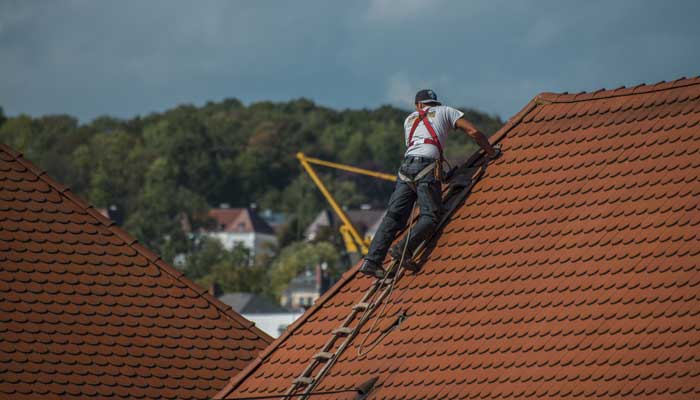
1. Choose the Right Roofing Material for Your Climate
The path to a superior roof begins with choosing materials that are specifically suited to your geographic location and local weather patterns. Traditional asphalt shingles remain popular due to their affordability, but upgrading to modern, high-performance materials can yield far greater long-term value.
- Architectural Asphalt Shingles: Unlike basic three-tab shingles, architectural or dimensional shingles offer multiple layers of material, providing better wind resistance, enhanced dimensional depth, and a significantly longer lifespan (typically 25 to 30 years).
- Metal Roofing: Metal roofs, made from standing seam steel, aluminum, or copper, are among the most durable solutions available today. They offer exceptional resistance to high winds, fire, and heavy snow loads, lasting up to 50 years or more while reflecting solar heat to keep cooling costs low.
- Clay and Concrete Tiles: Ideal for warm, sunny climates or Mediterranean-style architecture, tile roofs are virtually fireproof and exceptionally durable. They provide natural thermal insulation, keeping homes cool during blistering summer months.
- Slate Roofing: Known as the pinnacle of roofing materials, natural slate can last well over a century. While heavy and requiring specialized structural support, slate offers unrivaled elegance and weather resistance.
2. Prioritize Proper Roof Ventilation and Insulation
A common misconception among homeowners is that a better roof relies solely on the visible outer materials. In reality, what lies beneath the surface is equally important. Inadequate ventilation and poor attic insulation are leading causes of premature roof failure, ice dams in winter, and sky-high utility bills in summer.
A properly balanced roofing system relies on a continuous flow of air through the attic space:
- Intake Vents: Located along the soffits or eaves, intake vents draw cool, fresh air into the attic space.
- Exhaust Vents: Positioned along the ridge line or upper slopes, exhaust vents allow hot, moisture-laden air to escape naturally.
Proper airflow prevents moisture buildup under the roof deck, which can otherwise lead to mold growth, wood rot, and compromised structural integrity. Furthermore, combining balanced ventilation with adequate attic insulation helps maintain stable indoor temperatures year-round.
3. Invest in High-Quality Underlayment and Flashing
When installing a new roof or making substantial repairs, pay close attention to the secondary protection layers. Even the best outer shingles or panels can leak if the underlying barrier is weak.
- Synthetic Underlayment: Replace traditional felt paper with modern synthetic underlayment. Synthetic materials are far more tear-resistant, water-repellent, and durable during installation, offering superior protection against water infiltration.
- Ice and Water Shields: In areas prone to heavy rain or freezing temperatures, self-adhering waterproof membranes should be installed along vulnerable areas, such as eaves, valleys, chimneys, and skylights.
- Flashing Integrity: Flashing—typically made of galvanized steel or aluminum—directs water away from critical seams and junctions. Replacing old, rusted flashing during a reroofing project prevents hidden water damage from seeping into walls and ceilings.
4. Hire Qualified and Certified Roofing Professionals
Even the highest-grade materials will fail prematurely if installed incorrectly. Getting a better home roof depends heavily on the skill and precision of the contractors executing the job.
When selecting a roofing contractor, ensure you look for the following qualifications:
- Proper Licensing and Insurance: Always verify that the contractor holds active general liability insurance and worker’s compensation coverage to protect you from liability during the project.
- Manufacturer Certifications: Top roofing material manufacturers certify contractors who demonstrate superior workmanship and adhere to strict installation guidelines. Certified installers can often offer extended factory warranties that uncertified builders cannot access.
- Detailed Written Estimates: Avoid vague quotes. Request a comprehensive proposal detailing material specifications, labor costs, cleanup procedures, project timelines, and warranty details.
5. Implement a Proactive Maintenance Routine
Upgrading your roof is not a set-it-and-forget-it venture. Routine maintenance is necessary to extend the lifespan of your investment and catch small issues before they escalate into costly structural repairs.
- Bi-Annual Inspections: Inspect your roof at least twice a year—ideally in spring and autumn—as well as after major severe weather events. Look for missing, cracked, or curling shingles, damaged flashing, and loose gutters.
- Keep Gutters Clean: Clogged gutters cause water to back up under the lower edges of the roof deck, leading to rotted fascia boards and interior leaks. Ensure gutters and downspouts are kept clear of leaves and debris.
- Trim Overhanging Branches: Tree branches hanging over your roof can scrape away protective granule coatings during windy conditions and drop leaves that retain moisture on the roof surface. Trim trees back several feet from your roofline.
Conclusion
Getting a better home roof requires a holistic approach that balances material quality, proper engineering, expert installation, and consistent upkeep. By selecting durable materials tailored to your local environment, ensuring optimal attic ventilation, prioritizing underlayment protection, and working with certified professionals, you can construct a resilient roofing system that safeguards your property. Investing in your roof today delivers long-term peace of mind, enhanced energy savings, and lasting protection for everything under your roof.