
Tropical house plans are much more than just a specific architectural aesthetic; they are an intentional way of living designed to harmoniously blend indoor comfort with the surrounding natural environment. Rooted in regions where warm temperatures, abundant sunshine, high humidity, and heavy seasonal rainfall dominate the climate, tropical architecture prioritizes passive cooling, air circulation, natural light, and seamless outdoor integration. Whether you are building a coastal retreat, a hillside villa, or a suburban home in a warm climate, understanding the core principles and key elements of tropical house design will help you create a sanctuary that is both luxurious and eco-friendly.
The Philosophy Behind Tropical Architecture
At its core, tropical architecture is defined by its response to climate. Traditional architecture in temperate zones focuses heavily on trapping heat and keeping out the cold. Tropical house plans, on the other hand, do the exact opposite: they are designed to shelter inhabitants from intense solar heat and heavy rains while inviting constant breeze and fresh air inside.
Modern tropical design combines these time-tested, traditional passive strategies with modern minimalism, clean lines, and advanced materials. The result is an airy, bright, and relaxing environment that minimizes reliance on artificial cooling systems, ultimately creating a lifestyle centered around nature, wellness, and sustainability.
Essential Elements of a Tropical House Plan
To create an authentic and highly functional tropical home, certain structural and design features are indispensable. When reviewing or customizing tropical house plans, keep these key elements in mind:
1. Steeply Pitched Roofs and Broad Overhangs
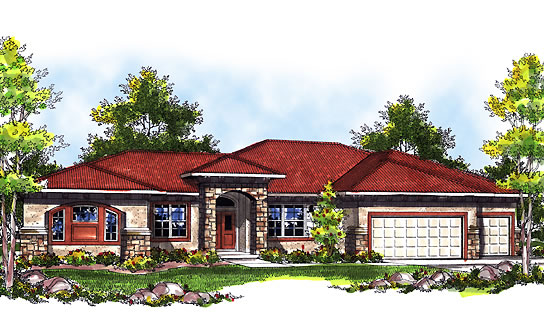
One of the most recognizable features of tropical architecture is a steeply pitched roof with expansive eaves. The steep angle allows heavy torrential rainfall to drain quickly without pooling, preventing structural damage and moisture leaks. Meanwhile, deep roof overhangs act as natural sunshades, preventing direct solar heat from hitting exterior walls and entering through windows. This single feature dramatically reduces indoor temperatures.
2. Open-Concept Layouts and Cross-Ventilation
Tropical house plans favor open floor plans that eliminate unnecessary interior walls. High ceilings, wide corridors, and open living spaces facilitate unobstructed airflow throughout the building. Cross-ventilation is critical: by strategically placing large windows, doors, or louvers on opposite sides of a room, air is pulled through the living space, naturally cooling the interior without heavy reliance on air conditioning.
3. Indoor-Outdoor Seamless Integration
The boundary between indoors and outdoors is intentionally blurred in tropical home design. Covered verandas, expansive patios, open-air courtyards, and deep porches serve as primary living and dining areas. Sliding glass walls, folding accordion doors, or traditional wooden shutters can be pushed entirely open, turning living rooms into open pavilions that extend directly to lush gardens or pool decks.
4. Elevated Foundations and Raised Floors
In humid and rain-heavy climates, building houses slightly above ground level offers significant advantages. Raised foundations protect the home from localized flooding during torrential storms, keep moisture away from the living quarters, and permit air to circulate underneath the structure, further aiding in thermal regulation.
5. Shading Structures and Breezeways
To combat intense afternoon heat, tropical plans frequently incorporate shade mechanisms such as pergolas, wooden trellises, exterior screens, and breezeways. Breezeways—open-air covered passages connecting different parts of the home—capture prevailing winds and funnel cool air into living areas while providing pleasant, shaded outdoor walkways.
Material Choices for Durability and Aesthetics
Selecting the right building materials is vital when executing a tropical house plan. The environment presents unique challenges, including high humidity, potential salt air, intense UV exposure, and heavy rain. Successful tropical architecture relies on materials that are durable, breathable, and visually harmonious with nature.
- Natural Timber: Teak, bamboo, cedar, and mahogany are highly favored for structural elements, decking, screens, and custom cabinetry. Treated hardwoods withstand moisture while adding warmth and texture.
- Natural Stone and Concrete: Materials like limestone, volcanic rock, and polished concrete absorb and release heat slowly. Polished concrete floors, in particular, remain refreshingly cool underfoot throughout hot summer days.
- Breathable Fabrics and Fibers: For interior finishes, lightweight natural textiles such as linen, cotton, rattan, and wicker keep spaces feeling light, breezy, and uncluttered.
Key Benefits of Choosing a Tropical House Plan
Opting for a tropical design provides numerous long-term advantages beyond stunning visual appeal:
- Energy Efficiency: By leveraging natural cross-ventilation, strategic orientation, and roof shading, tropical homes consume significantly less energy for cooling and artificial lighting.
- Enhanced Mental Well-being: Living in direct contact with natural foliage, natural breeze, and sunlight lowers stress levels and fosters a sense of tranquility.
- Low-Maintenance Outdoor Living: With durable materials suited to outdoor exposure, tropical homes make entertaining effortless year-round.
Conclusion
Tropical house plans represent a timeless approach to residential design that elevates everyday living into a resort-like experience. By focusing on passive cooling strategies, generous outdoor spaces, durable natural materials, and harmonious integration with surrounding vegetation, a tropical home delivers unmatched comfort and sustainability. Whether you are planning a sprawling vacation retreat or a functional modern family home, incorporating these foundational principles ensures your space remains cool, inviting, and effortlessly stylish for years to come.